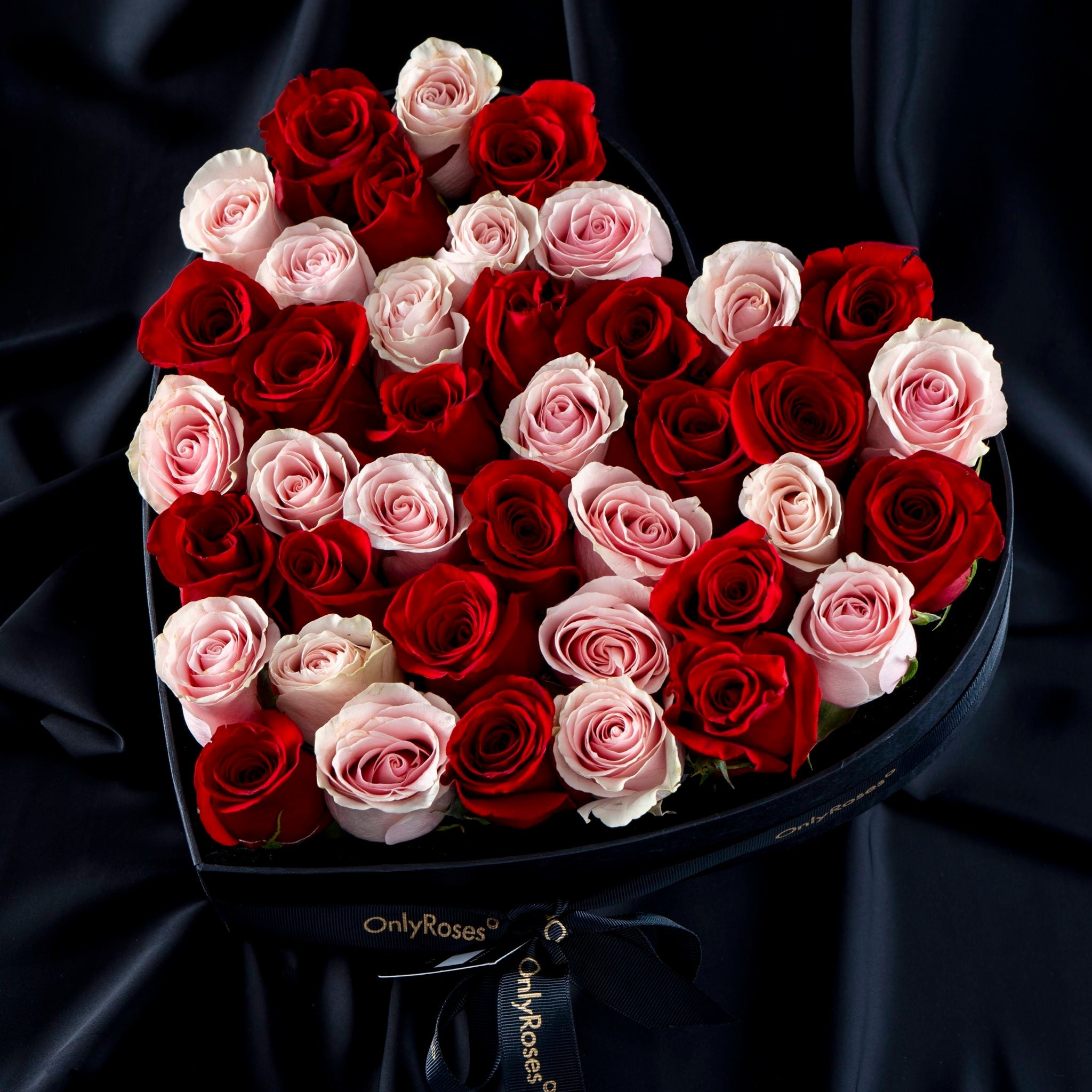

Not all flowers are created equal. Roses have commanded admiration for millennia, and their dominance in luxury gifting is no accident — they are the world's most popular cut flower, prized for a rare convergence of fragrance, visual architecture and emotional resonance that no other bloom replicates. From the high-altitude farms of Ecuador to the gift boxes of Knightsbridge, the rose remains the definitive symbol of refined taste. This is what actually sets it apart — from the botany up.
The botanical foundations
The genus Rosa spans roughly 100 to 300 species and a cultivation history of more than 5,000 years. That timeline has produced an astonishing diversity of form, colour and habit — and the cultural weight roses carry across civilisations, from ancient Rome to the Ottoman courts.
A detail most people miss: roses have prickles, not true thorns. True thorns are woody extensions of the stem; prickles grow from the outer bark and can be removed without harming it — which is precisely why a luxury rose arrives clean to the touch. The traits that matter most to discerning buyers — large bloom heads, deep colour saturation, long straight stems — are the result of centuries of selective cultivation.
| Feature | Botanical detail | Why it matters |
|---|---|---|
| Bloom size | Determined by cultivar and growing altitude | Larger heads signal premium grade |
| Stem length | Up to 90cm in Ecuadorian varieties | Essential for elegant arrangements |
| Petal count | From 5 to over 100 | High counts create visual richness |
| Colour range | Over 30 curated shades | Enables precise aesthetic matching |
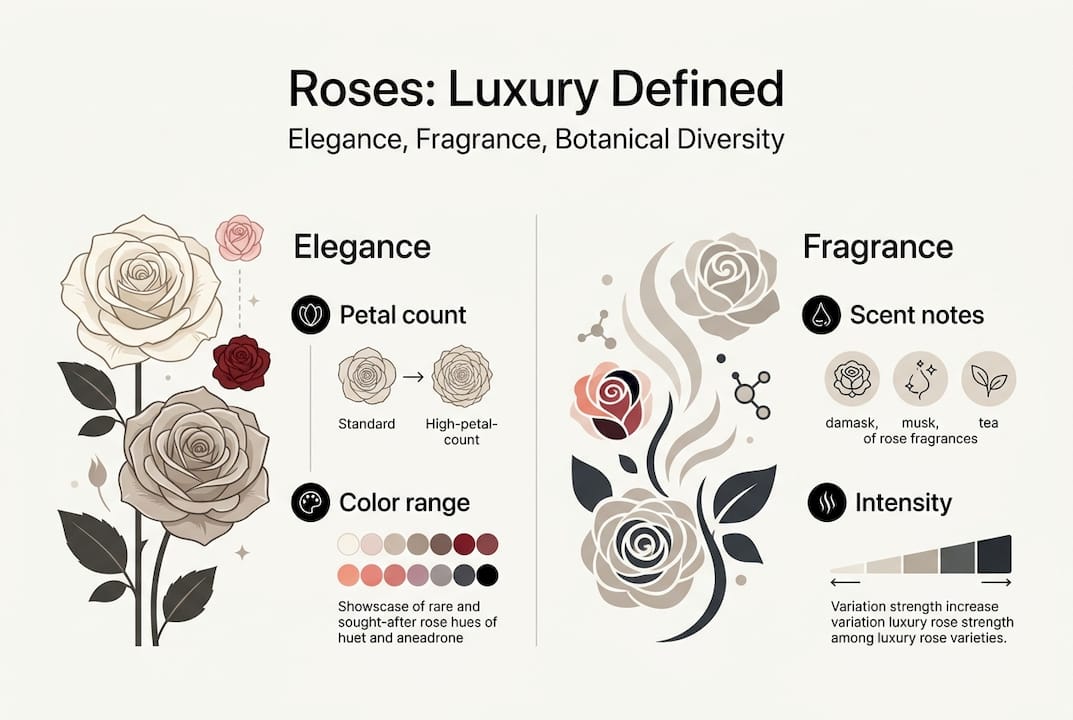
The botanical traits luxury buyers prize: large, symmetrical heads with high petal counts; deep, even colour from base to tip; long straight stems free of blemishes; sturdy calyxes that hold petals firm; and clean, undamaged foliage. Our guide to rose types explains how these traits map to the classic luxury cut rose.
Fragrance: the sense that sets roses apart
Rose scent is genuinely complex. Researchers have identified up to 80 volatile organic compounds in it, dominated by five families — rose oxide, geraniol, citronellol, nerol and damascenone. Each contributes a distinct note, which is why two roses that look alike can smell entirely different. This is not marketing; it is chemistry, and it is why scent triggers emotional memory — warmth, romance, celebration — in a way a purely visual gift cannot.
It is also why fresh roses hold an advantage no preserved rose can match: preservation locks in colour, softness and form, but the volatile compounds that carry fragrance do not survive the process. If scent is central to the gesture, the answer is fresh. The high-altitude Ecuadorian roses we work with carry a clean, fresh floral profile — and at full bloom in a warm room, that scent is unmistakable.
The most memorable gifts engage more than one sense. A rose that looks extraordinary and smells extraordinary creates an experience that lingers long after the petals have fallen.
Visual architecture and the language of colour
The visual structure of a premium rose is remarkable in its own right. A double-petalled bloom can carry over 100 petals in a precise spiral, catching light differently at every angle — a single flower with the visual complexity of a designed object. Why fresh roses create elegant gifts explores that living quality further.
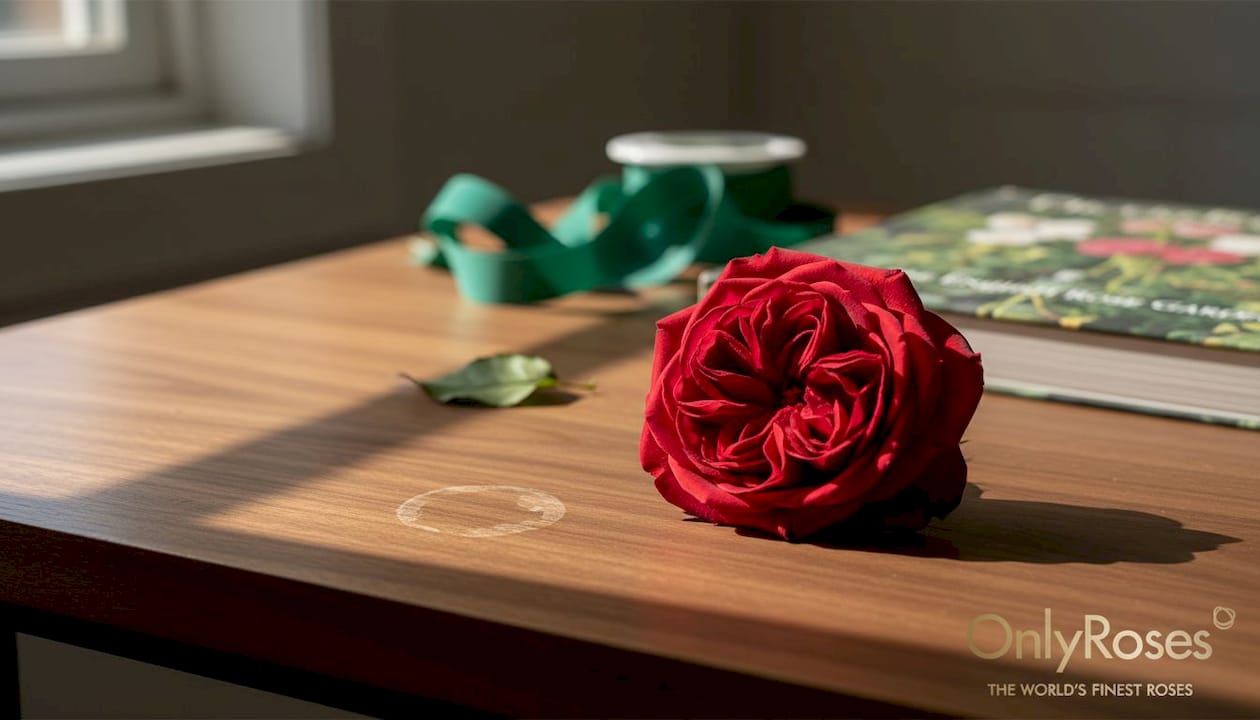
Colour carries precise meaning: deep red for passionate love, blush pink for grace and admiration, white for purity and new beginnings, burgundy for depth and devotion. That symbolic vocabulary lets the colour itself communicate without a word — our colour meaning guide decodes all thirty-plus shades. Combined with year-round availability and a colour range no other flower matches, it is what makes roses uniquely versatile: suited to intimate gifts and grand gestures alike, and to minimalist, classical and contemporary interiors equally.
Craftsmanship: why provenance is everything
Not every rose qualifies as a luxury product. The difference lies in breeding, growing conditions and post-harvest handling. Ecuadorian roses are the gold standard for luxury cut flowers: grown above 2,800 metres, they benefit from intense equatorial sunlight, cool nights and mineral-rich volcanic soil, producing exceptional stem length, large heads and up to two weeks of vase life. How quality is secured:
- Selective cultivation targeting bloom size, colour depth and stem strength
- High-altitude growing to maximise all three
- Precise irrigation and nutrient management by variety
- Hand-harvesting at the optimal bud stage for maximum vase life
- An unbroken cold chain from farm to boutique to recipient
That last step is the one most often broken elsewhere — and the one that most determines whether a rose reaches its full lifespan. It is why where you buy matters as much as what you buy.
Fresh or preserved: matching rose to purpose
Both have their place; the distinction is purpose, not quality.
| Attribute | Fresh roses | Infinite Roses® (preserved) |
|---|---|---|
| Fragrance | Full, authentic scent | Minimal after preservation |
| Texture | Soft, natural petals | Soft, subtly different |
| Longevity | Up to two weeks | 1–3 years, up to 5 ideal |
| Best for | Gifting, celebrations, events | Interiors, lasting keepsakes |
For maximum sensory impact, fresh roses are the superior choice — the fragrance alone justifies the preference. But preserved roses have genuine merit as enduring décor and gifts that last for years. The full decision framework is in our Infinite vs fresh guide.
Experience true rose luxury
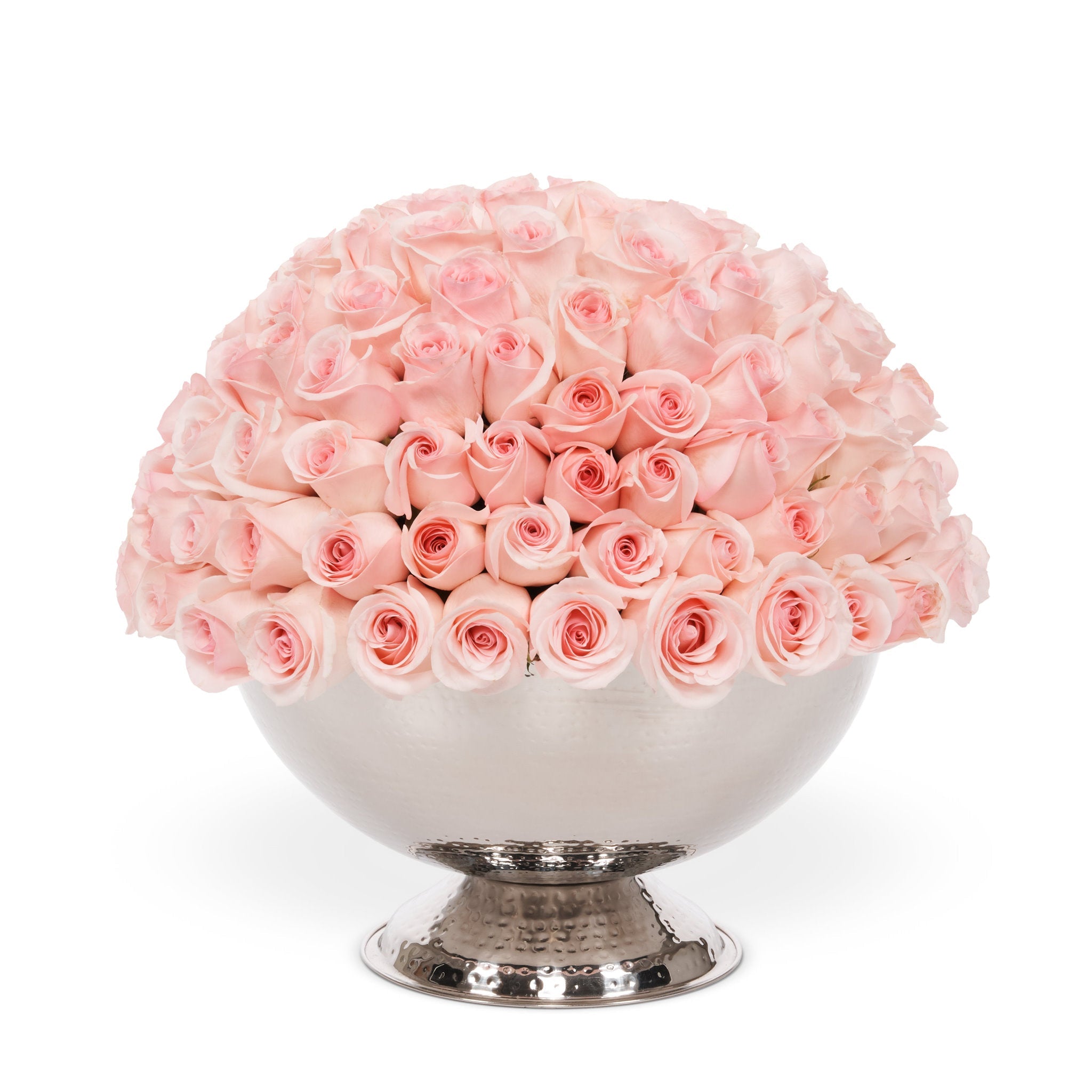
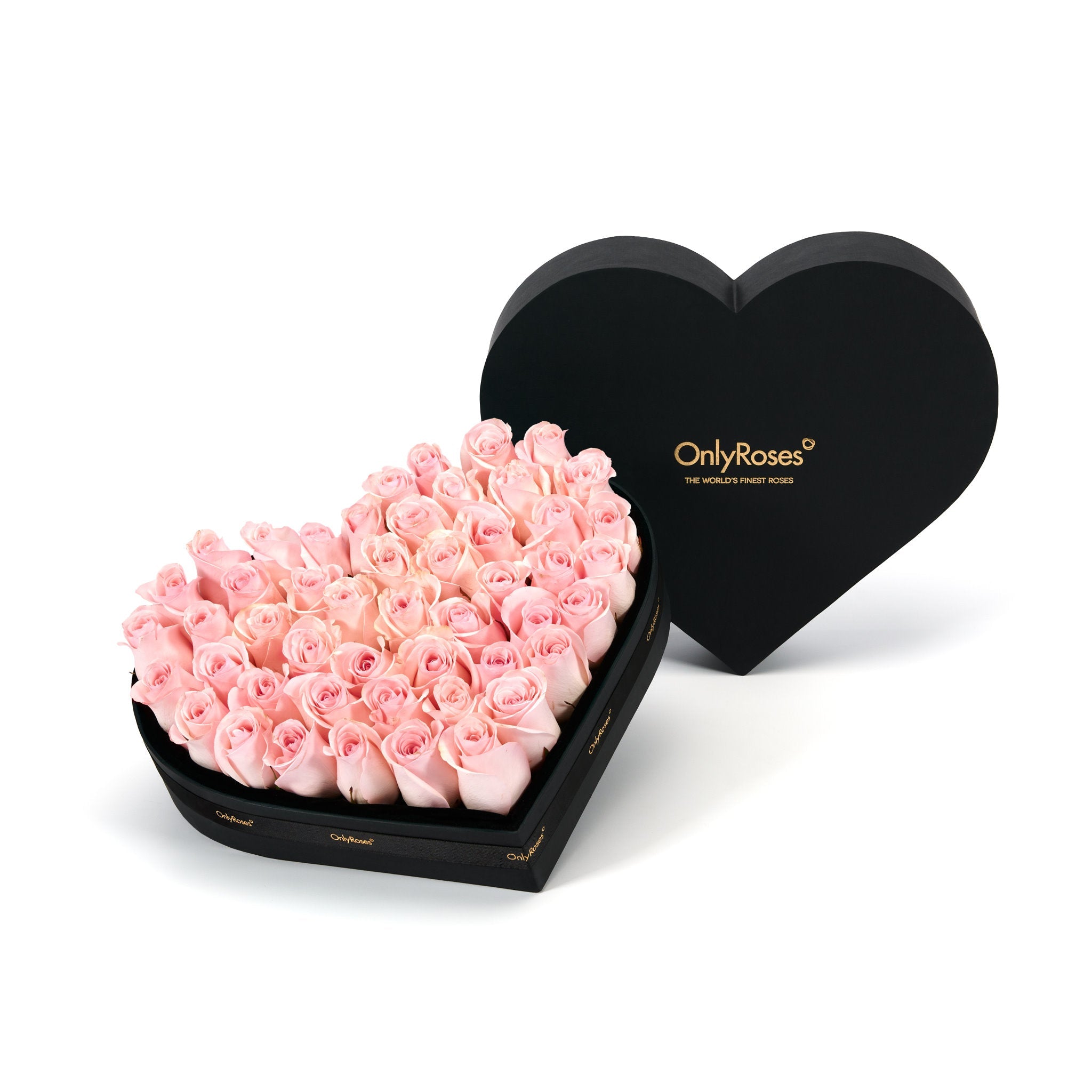
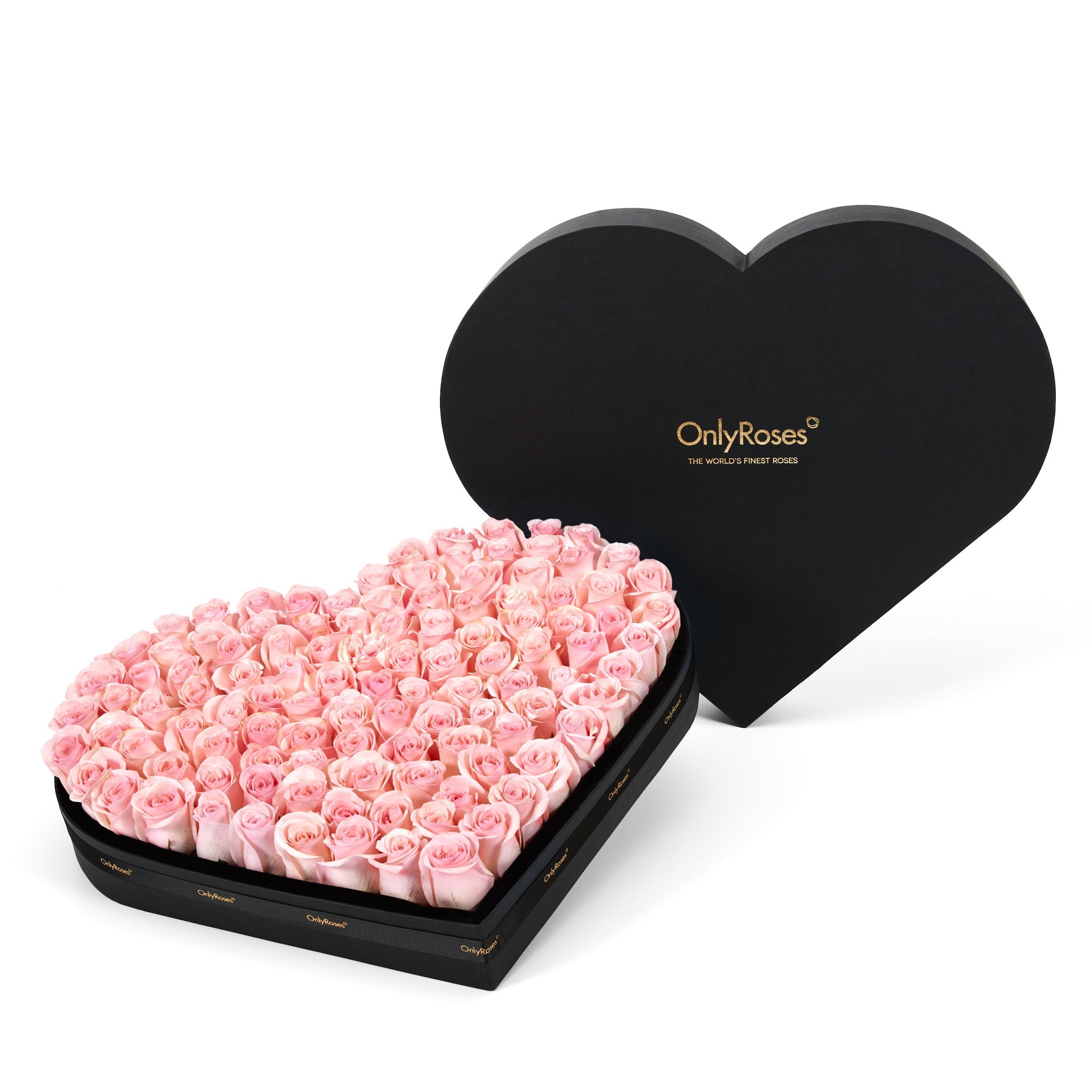
Botanical excellence, captivating fragrance, visual perfection and craftsmanship converge in a single curated arrangement. At OnlyRoses we source exclusively from the world's finest farms — with a particular focus on Ecuador's high-altitude regions — and finish every piece by hand in Knightsbridge. Explore fresh Classic Roses®, preserved Infinite Roses®, or the showstopping Grand Bouquet — delivered across London.
Frequently asked questions
Why are roses considered the most luxurious flower for gifts?
They combine unmatched fragrance, visual elegance and symbolic depth — and as the world's most popular cut flower, year-round availability makes them suited to any occasion.
How do I make roses last longer?
Start with premium high-altitude Ecuadorian blooms, then give them simple care: a clean vase, stems recut at an angle, water changed every two days, away from heat and direct sun. Up to two weeks is realistic.
What makes rose fragrance so varied?
It arises from up to 80 volatile compounds across five main families — rose oxide, geraniol, citronellol, nerol and damascenone — which is why different varieties can smell entirely distinct.
Are fresh roses always better than preserved?
For fragrance and natural texture, yes — preservation cannot replicate scent. But preserved Infinite Roses® offer years of beauty with no care, which makes them the better choice for décor and keepsakes. Different purposes, not better and worse.